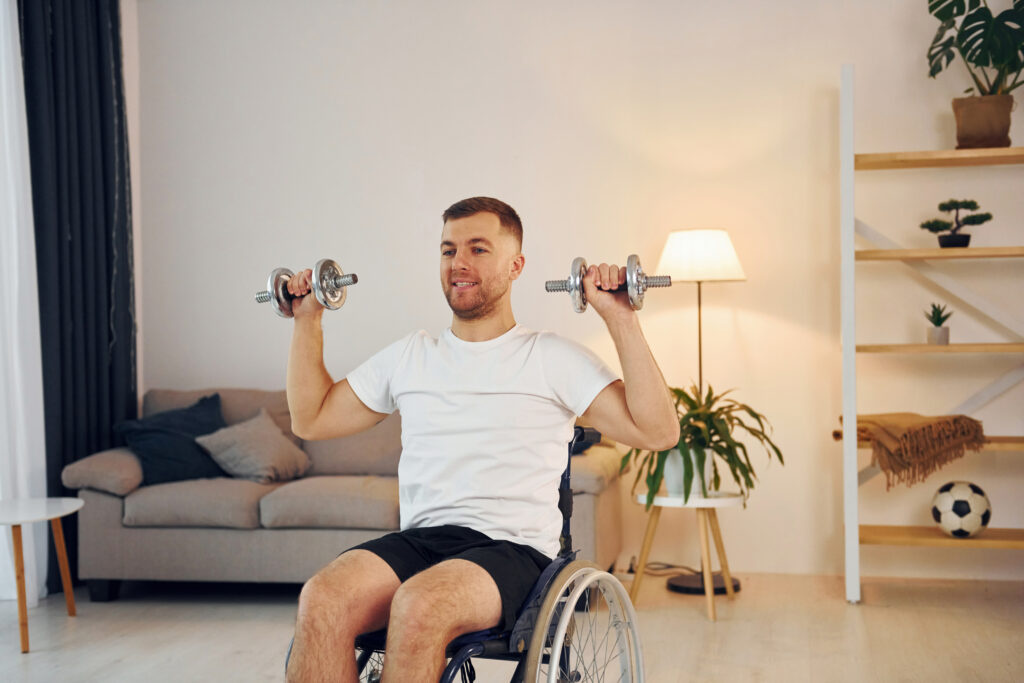

Your GP says more movement would help, but where do you start? Maybe you have a sore back, a health condition or a body that doesn’t move like it used to. So, what is exercise physiology, and could it help you?
Exercise physiology uses exercise, planned around your health, to help you move with more confidence. This guide covers what it involves, who it may suit and how funding works.
What Is Exercise Physiology, in Plain English?
Exercise physiology is an allied health service. It uses exercise to help people manage health conditions, injuries and disability. Healthdirect says exercise physiologists hold a university degree. They make exercise plans that suit each person.
So, what is an exercise physiologist in practice? Think of them as the person who plans your exercise around your health. You may also hear the term clinical exercise physiology. It means exercise that fits you and your condition, not a one-size-fits-all routine.
Regular activity is linked to a lower risk of many health problems. The Department of Health list includes:
- Heart disease and type 2 diabetes
- Anxiety and depression
- Muscle and joint problems
For adults aged 18 to 64, the guidelines suggest 150 to 300 minutes of moderate activity each week. They also suggest muscle-strengthening activities on at least 2 days.
The guidelines say to start gently if you’re not used to activity. They also say to ask a health professional if you’re unsure. That’s where exercise physiology can help.
What Does an Exercise Physiologist Do?
An exercise physiologist turns general advice, like “be more active”, into a plan you can follow. Healthdirect outlines what to expect at an appointment:
- Assessment: They check how you move, review your symptoms and ask about your health history.
- A plan made for you: It matches your abilities and health needs. The exercises are chosen with safety in mind.
- Support and education: They explain how exercise can support your body and mind, and they help you stay motivated.
- Review over time: Healthdirect suggests asking how your progress will be tracked. That way, you can see how your plan is working.
At EP360, the first step is an initial consult. We get to know where you’re at and build a plan around your needs. Sessions are inside Club Lime gyms at St Peters and Five Dock, so you can use full commercial gym equipment. They run for 30, 45 or 60 minutes, depending on what we’re working on.
We also offer two structured programs. The Beyond Fatigue Program is for people living with chronic fatigue. The Beyond Back Pain Program is for people living with persistent back pain. Results vary from person to person, and no program can guarantee a specific outcome.
What Makes an Exercise Physiologist Accredited?
You’ll often see the term accredited exercise physiologist. It means the person meets standards set by Exercise & Sports Science Australia (ESSA). Healthdirect names ESSA as the professional body for exercise physiologists.
To confirm before publishing: ESSA’s standards include:
- At least 4 years of study in an approved course
- 360 hours of practical experience with clients who have clinical conditions
To keep their accreditation, they must also:
- Hold a current first aid and CPR certificate
- Carry professional indemnity insurance
- Complete training each year
- Follow a code of conduct
You can search for accredited exercise physiologists on the ESSA website.
Who Might See an Exercise Physiologist?
People see exercise physiologists for many reasons. Healthdirect says you may see one if you live with:
- Heart disease or lung problems
- Diabetes
- Arthritis or osteoporosis
- A mental health condition, such as depression or anxiety
You may also see one if you want to build strength before or after surgery. Some people simply want to start exercising with some guidance. ESSA also lists cancer, kidney conditions, neurological conditions and chronic pain among the areas they work in.
These conditions are common. The Australian Bureau of Statistics found that about half of Australians had at least one selected chronic condition in 2022. These included back problems and arthritis. At EP360, we help people managing conditions such as lower back pain, osteoarthritis and osteoporosis.
Seniors can benefit too. Healthdirect notes that balance and strength training can help reduce the risk of falls. We run Senior Group Strength Classes (50+) at St Peters and Five Dock.
How Is Exercise Physiology Different From Physiotherapy?
Exercise physiologists and physiotherapists both use exercise to help people. Healthdirect says their focus differs:
- Exercise physiologists help people manage long-term health problems through exercise. They also support lifestyle changes.
- Physiotherapists focus more on diagnosing and treating injuries, mainly in the early stages. They use hands-on techniques as well as exercise.
The two professions can sit side by side in your care. The right choice depends on your condition and goals, and your GP can help you talk it through.
How Do Medicare, the NDIS and Private Health Fit In?
Funding depends on your situation, so here are the main pathways.
Medicare
Many people ask, “is exercise physiology covered by Medicare?” It may be, if you’re eligible. Your GP can prepare a GP chronic condition management plan. Some people still call it a chronic disease management plan.
Services Australia says eligible patients can use five allied health services each calendar year. Exercise physiologists can provide them. Your GP decides whether your condition would benefit.
Our chronic disease management and care plans page explains how we help.
NDIS
If you take part in the National Disability Insurance Scheme (NDIS), exercise physiology may be funded. Exercise Right explains that the NDIS funds supports that are reasonable and necessary. The support must relate to your disability and link to your goals.
EP360 is a registered NDIS provider. We work with plan-managed, self-managed and agency-managed participants. Our NDIS Exercise Physiologist page has more detail.
DVA and workers compensation
We also work with Department of Veterans’ Affairs (DVA) clients. We support people making workers’ compensation or compulsory third party (CTP) claims too. Start with our DVA Exercise Physiologist and Workers Compensation & CTP Exercise Physiology pages.
Private health
Private health insurance may also help with costs. Healthdirect says this depends on your plan. Rebate eligibility depends on your individual health fund, level of cover and Medicare circumstances. We recommend checking with your provider directly. Fees apply, and you may pay a gap after any rebate.
When to See a GP Before Starting Exercise
If you have a medical condition or have been mostly inactive, see your doctor before you start a new program. Your doctor can also tell you if you need special tests first. This may apply if you have diabetes or risk factors for heart disease.
Exercise should take some effort, but it shouldn’t cause pain. Stop and see your doctor if you notice any of these:
- Chest pain or pressure in your arms, throat, jaw or back
- Nausea or vomiting during or after exercise
- A racing or irregular heartbeat
- Trouble catching your breath
- Feeling dizzy, lightheaded or faint
- Persistent joint or muscle pain
If you have severe chest pain or shortness of breath, call 000 and ask for an ambulance. You can also call the Healthdirect helpline on 1800 022 222. A registered nurse is available 24 hours a day. Please talk to your GP about any new or worsening symptoms.
Taking the Next Step With Exercise Physiology at EP360
So, what is exercise physiology? It’s exercise planned around your health by an accredited exercise physiologist. We’ve covered what that person does, who may see one and how funding works. If you’re managing a long-term condition, our Chronic Disease Management and Care Plans service is a good place to start. Your GP can tell you whether it suits you.
Our team at EP360 offers exercise physiology services for clients in St Peters and Five Dock.
When you’re ready, you can send an Appointment Request or call (02) 8070 8367. We’ll talk you through the first step.
Frequently Asked Questions
Do I Need a Referral to See an Exercise Physiologist?
No. Healthdirect says anyone can see an exercise physiologist without a referral. Without one, you may have to pay the full cost yourself. If your doctor prepares a plan that includes exercise physiology, they can give you a referral. Medicare may then help with the cost if you’re eligible. Ask your GP whether a plan could suit you.
Is Exercise Physiology Only for People With a Health Condition?
No. Healthdirect says you may also see one if you want to start exercising or improve your strength and fitness. You may also see one for advice on a healthy lifestyle.
Our team at EP360 is also trained in strength and conditioning, so you’re welcome to ask about general fitness goals. We’ll talk through what you’d like to achieve.
What If Exercise Makes My Pain Worse?
Exercise should take some effort, but it shouldn’t cause pain, according to Healthdirect. A good plan starts with an assessment of how you move and what you can manage. It then builds up gradually.
Your exercise physiologist can adjust the plan if something doesn’t feel right. If you have persistent joint or muscle pain, or any of the warning signs above, stop and see your doctor.
How Long Is a Session, and How Many Will I Need?
At EP360, sessions run for 30, 45 or 60 minutes, depending on what we’re working on. Some conditions need a longer session than others. The number of sessions depends on your goals and your condition. Healthdirect suggests asking your exercise physiologist about this early on. That way, you know what to expect and how your progress will be tracked.
What Questions Should I Ask an Exercise Physiologist?
Healthdirect suggests asking which exercises suit your condition and how often to do them. You can also ask how your progress will be tracked. It helps to ask what to do if you feel pain during or after exercise. You can also ask whether group sessions or virtual programs are available.
You’re welcome to bring any of these questions to your first consult with us.